

Open WeChat official accounts—one of the first places to go if you want to understand what is happening in China—on almost any given day, and the experience rarely feels very different.
New posts keep appearing in your feed, one after another. Their headlines are short, often overly compressed, and punctuated with an exclamation mark from time to time. It can be surprisingly hard not to click.
As a journalist tracking developments across China, I need to subscribe to WeChat official accounts run by authorities from provincial to municipal level. By now, even county-level governments seem to have joined WeChat in large numbers, turning the platform into an essential window for public communication. (That's Why Every China Watcher Must Be on WeChat)
But I often find myself struggling with information overload. Part of the problem is that I find it hard to resist clickbait-style headlines. I click, spend time reading, and then realize I have learned almost nothing.
Let me give a few random examples. One government-service account once published a post titled, "Attention! Today at 12:04! Officially entering…" I clicked, half-expecting an urgent notice about a water outage or some disruption to daily life. It turned out to be a short explainer on the beginning of winter.
Another official media account pushed out a headline reading, "Major Notice! Fully Cancelled—" which sounded confusing and dramatic, but the post was merely about an adjustment to the working hours for property transaction services.
I felt frustrated for a while, even exasperating. Why, I wondered, did so many government-run accounts write headlines like this—copy, chopped-up, and deliberately withholding the point? Why make public information feel like a guessing game?
Today's newsletter offers at least one possible explanation. It is based on the work log of a new media editor at a local state-owned newspaper—someone who moved from a market-oriented newsroom into the relative safety of the system, hoping for a simpler and more stable life.
At first, the job seemed almost ideal to the author: copy, paste, tweak the headline, publish, clock out. No reporting, no interviews, no writer's block. Just a socially respectable job and real life after work. Then the meaninglessness began to bite.
What makes this piece valuable is not only its personal honesty, though that honesty is rare enough. It also reveals how today's Chinese information overload is produced: the result of administrative performance targets meeting platform logic.
Once page views, reposts, and likes become the measure of "communication capacity", institutions learn to flood the zone. They recycle the same stories, sharpen the same headlines, chase the same traffic, and push more and more content into an already saturated public sphere.
The author uses a very apt comparison:
Sometimes I tried to console myself by thinking of it as something like a chain restaurant, like McDonald's or KFC. They need physical branches in different locations. In new media, we were just opening "branches" online for different regions. We were serving different groups of users. Just because one outlet had already published a story didn't mean everyone would see it. Thousands of accounts targeting different audiences were still needed to keep redistributing the same information until it spread widely enough.
The result is a strange kind of information factory: thousands of editors doing repetitive work to make the internet noisier, while privately wondering whether any of it matters.
I am grateful to the author for writing this down. It cannot have been easy. Her account gives readers a rare look inside a job that is usually invisible, but helps shape what millions of people see every day—and why, in an age of endless content, valuable information can feel harder than ever to find.
This article, authored by Li Guang, was first published in February 2026 on the WeChat account of T Magazine China. The T Magazine is a publication of The New York Times covering fashion, living, travel, and design. Its Chinese edition is operated by a Chinese media company.
Please note that the following English translation below has NOT been authorized by the original author or anyone else. It is entirely my own.
Inside a State-Owned Newspaper: The Work Log of a Clickbait "Editor"
体制内报社,一个标题党「小编」的工作史

It Was Easy, But Something Felt Wrong
What if the work itself is meaningless? As long as you don't talk about meaning or think about value, all that seems to matter is what the job gives you materially. You trade it for leisure, win back your time, and gain freedom in your personal life. If such a simple, socially recognized job is placed right in front of you—with its only obvious flaw being a lack of meaning—what reason is there to turn it down?
After several years as a reporter at a market-oriented media outlet, Li Guang, then approaching 30, was exhausted by the mental strain of writing. She passed the exam for a state-owned newspaper in her hometown and became a new media editor. She envisioned a simpler, easier life from then on, one that would also satisfy her parents.
At first, the job was exactly as she had imagined: a sort of "light manual labor" that required no mental exertion. Every day, she casually used Ctrl+C and Ctrl+V to copy and paste news from major outlets, tweaked the headlines to make them more sensational, and published them at a fixed rhythm. Work was leisurely and simple, free from complex interpersonal troubles; after clocking out, she was never disturbed by work messages, achieving a perfect balance between work and life. But slowly, something began to feel wrong.
First came boredom. She told herself this was merely "despicable human nature," an absurd and greedy attempt to seek meaning in such a comfortable job. Then she realized she had become something of a gambler, swinging each day between wild excitement and deep disappointment over page-view numbers, even though she had not produced the news herself and was only republishing it through copy and paste.
At work, absurd things that overturned her values happened often. She felt guilty, but kept doing them out of sheer inertia. A year later, Li Guang could copy and paste nearly 70 articles a day. She still did not know a single colleague from another department, yet somehow she had "developed a sense of empathy" for all of them.
To be fair, these were small things. She thought she could ignore and endure them. A job, she believed, could not really damage or change her that much. But over time, the pain became harder to put into words. She suffered not only from the job itself, but also from the feeling that she was being overly dramatic about it. She complained to friends and mocked the absurdities of being a "new media editor." Yet, when she tried to write them down, the very jargon within the system she had mocked began slipping unconsciously from her pen: "public opinion arena," "guidance," "tearing apart," "breeding ground," "remain optimistic about this"...
She had once thought that "lying flat" meant actively stepping away from the stage, but the truth is, when a person decides to lower their expectations for meaning, the system does not stop shaping them.
In the end, this article was compiled from Li Guang's own writing and her venting during chats with friends. Even when she was a reporter, racking her brains every day to write articles, she had never experienced anything like this: writing a single story could be so incredibly difficult.
A Perfect Fit: Copy-and-Paste Work, True Clocking Out, and Becoming My Father's Pride Again
After several years as a reporter at a market-driven media outlet in a first-tier city, I had had enough of that life: barely having any time of my own, writing and editing wherever I could grab a moment, forcing down food I didn't even like, sharing an apartment, and commuting by whatever was available—shared bikes, carpool rides, or the subway.
My parents kept pushing me to return hometown and find a stable, low-stress job within the system, even promising me a car and a house. I asked friends working in similar units what such jobs were really like. Apart from boredom, I could not find many flaws. The advantages, however, seemed obvious: a stable life, a comfortable home, and plenty of time for myself.
Even so, when I passed the exam and landed a position at the state-owned newspaper in my hometown, I still couldn't shake the doubt. Things that look too good always seem to come with a catch. Nervous, I went to a temple said to be especially effective for career prayers, only to draw the worst fortune possible.
On the day I left the first-tier city, rain poured down and traffic ground to a halt. Dragging a suitcase and juggling bags of every size, I sprinted into the station—only to realize I was still too late. I missed my high-speed train. At that moment, all my anxiety about the future came crashing down. I sank down where I stood and cried until I couldn't anymore.
The anxiety eased the moment I stepped into the newspaper's offices. The building was grand and brand-new, its silver facade almost dazzling in the sun. Each floor had roughly four times the space of my old company, and every doorway seemed to lead to another set of doors. The place was so large that I kept getting lost. Generous square footage and a magnificent, imposing exterior defined the look of this newspaper.
My position was New Media Editor. I no longer needed to pitch stories, contact sources, conduct interviews, or write drafts word by word like before, nor did I really need to discuss topics with reporters or edit their articles.
My day-to-day work was simple: pick a few pieces, copy and paste them into the backend of WeChat official account, and tweak the formatting, including font size, spacing, line height, to match the standard layout.
After my supervisor approved them, I clicked "Publish." The only real thinking involved was the occasional headline tweak or trimming a piece for length. Most of the time, the keys I used most were Ctrl+C and Ctrl+V.
On my first day, everyone acted as if I should already know how to do the job. At first I just watched quietly, tracking how often my colleagues posted in the work group, what kinds of stories they chose, and what headlines they used. Before long, I realized a role this straightforward didn't really require much training.
The selection criteria were not complicated. Beyond importance and timeliness, it mostly came down to page-view numbers. The articles usually came from other official outlets or from our own app. Stories about everyday life and gossip performed best. Even big, universally recognized events like the Olympics could be less appealing to local readers than, say, a dip in vegetable prices. Most of the time, I chose pieces that had already performed well elsewhere, which meant I could often reuse the original headlines.
The new media editor role ran on shifts—an early shift and a late shift—and I got a day off every three or four days. I lived a ten-minute walk from the office. On early-shift days, I usually got up at 6:00 a.m., either set aside some bread the night before or grabbed steamed buns at a convenience store, and ordered coffee delivery. By 7:00, I would be at my desk with breakfast, eating while browsing the news and flagging anything I might use later.
The busiest and most nerve-racking moment came when the scheduled posts were sent to the work group for the leader's approval. At that point, even if I desperately needed to use the restroom, I could not leave my seat, because the leader might message at any moment asking me to replace something for breaking news.
Eventually, I figured out the most efficient way to work: the moment I saw suitable news, I immediately copied and pasted it into the backend, ready for any last-minute request from the leader to swap articles. A massive amount of news stored in the backend ultimately ended up in the trash. Fortunately, they caused no actual material loss, just cyber junk. The only thing wasted was the labor I had spent copying and pasting.
Once the leader gave the final go-ahead, I had to reply "Received" immediately and click "Publish" in the backend. Then I would take a short breather and start preparing the next post, keeping to a rhythm of one push every one to two hours. Around noon, I would spend about ten minutes eating in the cafeteria, then return to work until three or four in the afternoon. After that, the late shift would take over, working through to midnight, though most nights they could wrap up before 10:00 p.m.
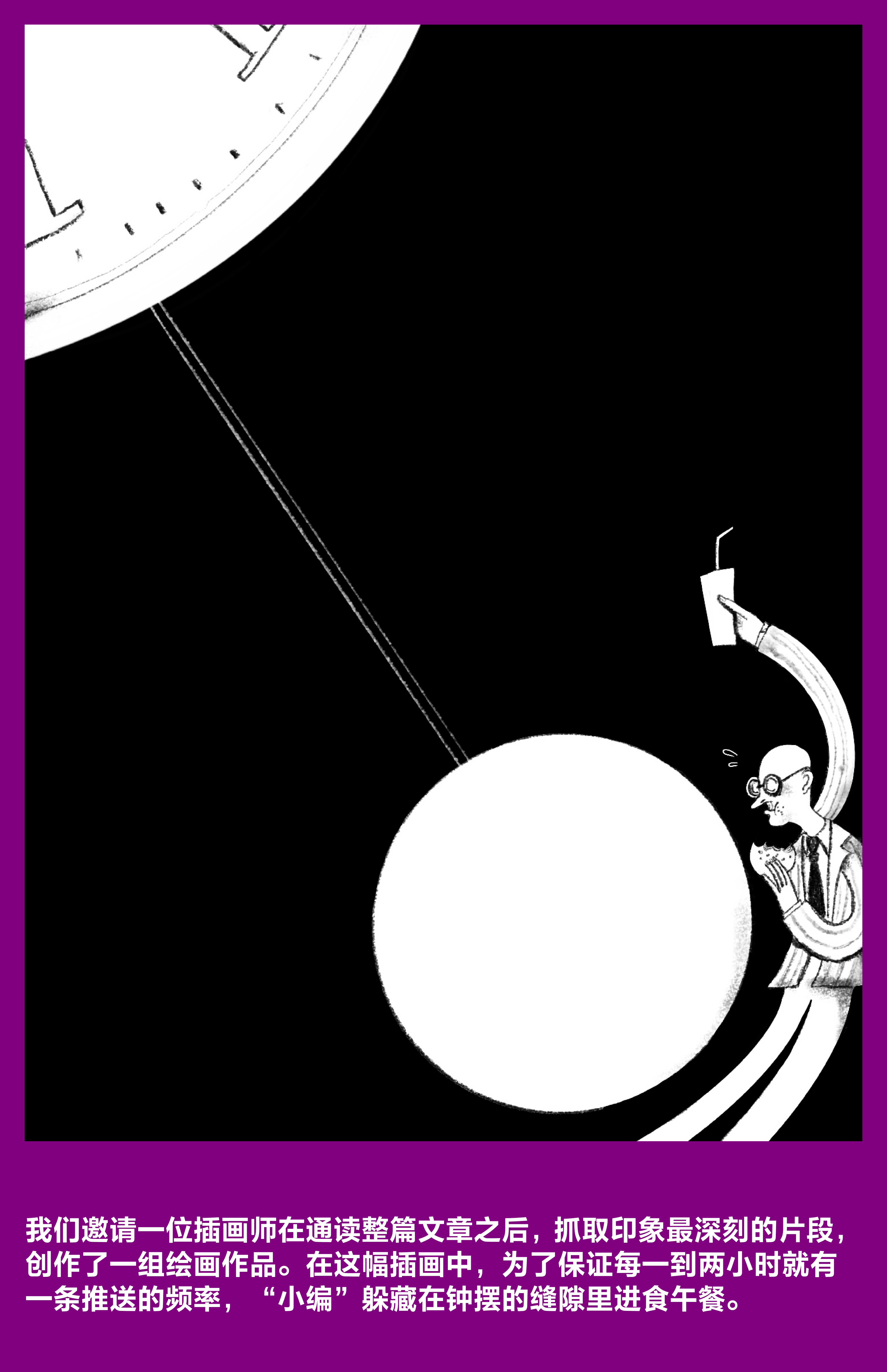
Even though I formatted and published around a dozen pieces a day, the work itself was easy, more like light manual labor than anything else. I left work with exactly as much brainpower as I had brought in. The only discomforts were dry eyes, sore hands, and a stiff back, but I never had to deal with writer's block again. When I clocked out, I really clocked out. I did not need to keep an eye on the work group, and no colleague or leader would ever bother me after hours.
Back when I was a reporter at a well-known market-driven outlet, my father still felt I was not doing "proper work." Now, when he takes me to dinners and tells his friends I work at a state-owned newspaper, there is unmistakable pride in his voice. For the first time in years, perhaps since I got my university acceptance letter at eighteen, I had once again become the kind of daughter my father could be proud of.
Most of my days off landed on weekdays. I would spend them wandering around the city, visiting coffee shops, craft stores, small boutiques, malls, and parks. The only downside was that all my local friends were at work, so I usually went by myself, snapping photos of a new dessert I had found or a view that caught my eye. When I sent the pictures to my friends, they would flood me with jealous messages.
Only occasionally would boredom and a sense of meaninglessness creep in. When I first started working there, I could not help but thinking: this must be my despicable human nature at work. The moment a person becomes comfortable, they start looking for meaning.
Hooking Readers: Traffic Codes, Headline "Magic Weapons", Shockingly Low Standards, and Still Knowing No One in Other Departments After More Than a Year
At the very beginning, it was not that hard to let go of all that talk about "value," "mission," and "meaning" at work.
Other than genuinely urgent breaking news, like major policy changes that affected people's daily lives, extreme weather, or large-scale disasters, the stories that reliably pulled in the most traffic were, basically, just gossip and obituaries. Deaths, affairs, divorces, and marriages accounted for nearly half of our page views.
Take obituaries, for instance. Once we had cracked that traffic "code," official outlets like ours would sometimes run several in a single day, covering everyone from celebrities and business founders to online influencers. I was not in a position to decide whether a celebrity's death deserved more coverage than an influencer's. Still, I could not help wondering whether the death of a completely unknown actor in some far-off country really needed to be a headline. But I knew obituaries guaranteed clicks.
Learning how to "properly" handle headlines was the first real lesson I received on the job. "Deliberately obscuring details" was one of the most common techniques, and choosing exactly what to hide is especially critical.
A standard move, especially with actors or directors who were not household names nationwide, was to attach labels such as "Well-known Male Star," "Well-known Female Star," or "Famous Director." The cover image will often hide half their face on purpose, so readers could not immediately tell who it was. If the person was a foreign celebrity, editors would be careful to obscure distinctive features that might reveal their ethnicity. Of course, if someone was truly famous, no one bothers with "well-known," as their name alone was clickbait enough.
The irony is obvious: people who are actually well-known do not need the "well-known" tag at all. The whole logic of headline writing was as snobbish as a vanity fair.
Soon, I mastered the three foolproof "magic headlines": exclamation marks, "Just In," and "Breaking." For example, a minor helicopter crash in Tanzania—thousands of kilometers away, with two people killed—could be packaged as: "Breaking: Plane Crash, None Survive!" Many readers would click simply because the headline was sensational enough.
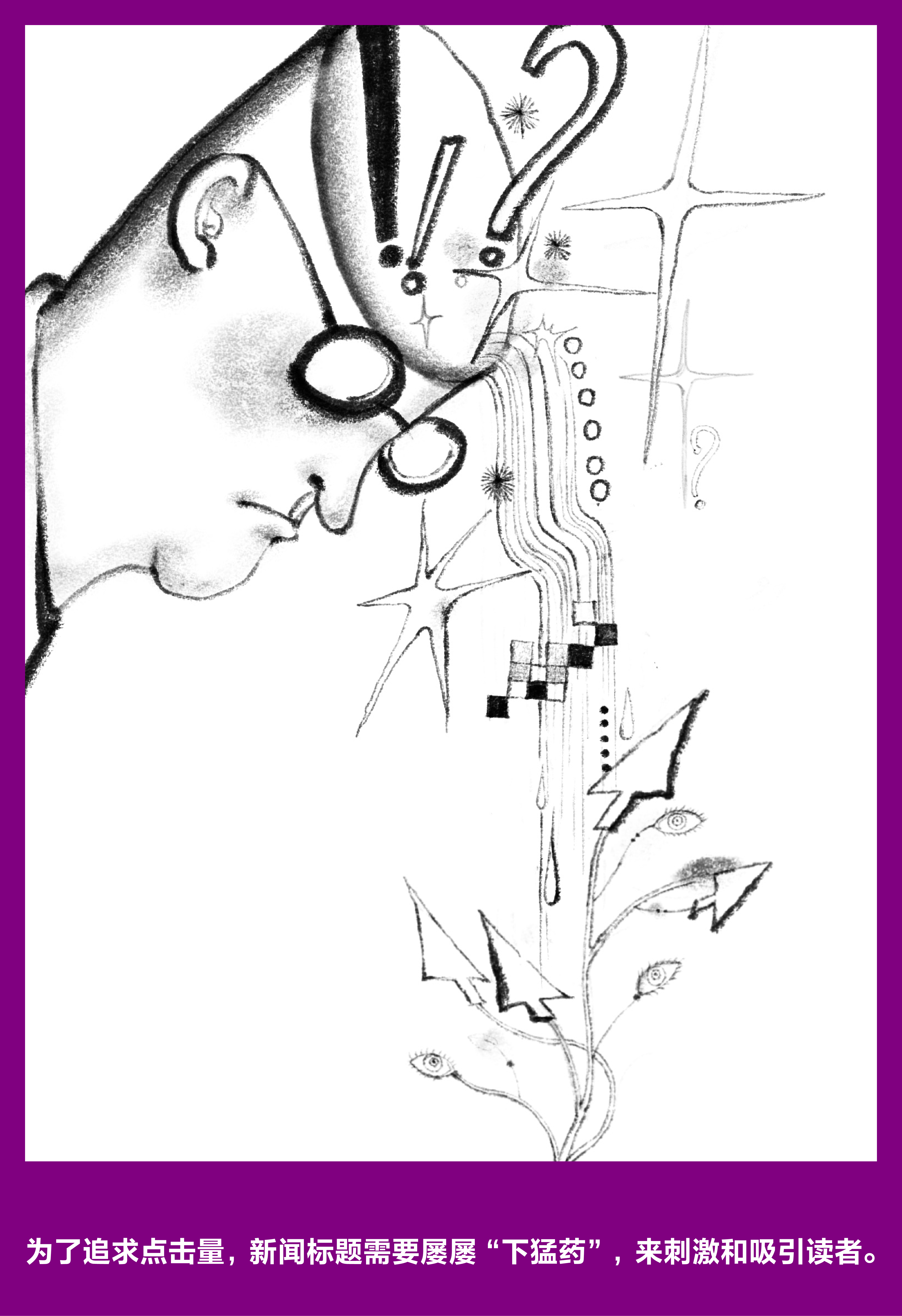
For a while, there was also a dependable formula for certain minority holidays, for example, "Holiday Notice! Five Days Off in a Row, No Make-Up Workdays! (Not for Everyone)". Posts like that were almost guaranteed to bring in traffic.
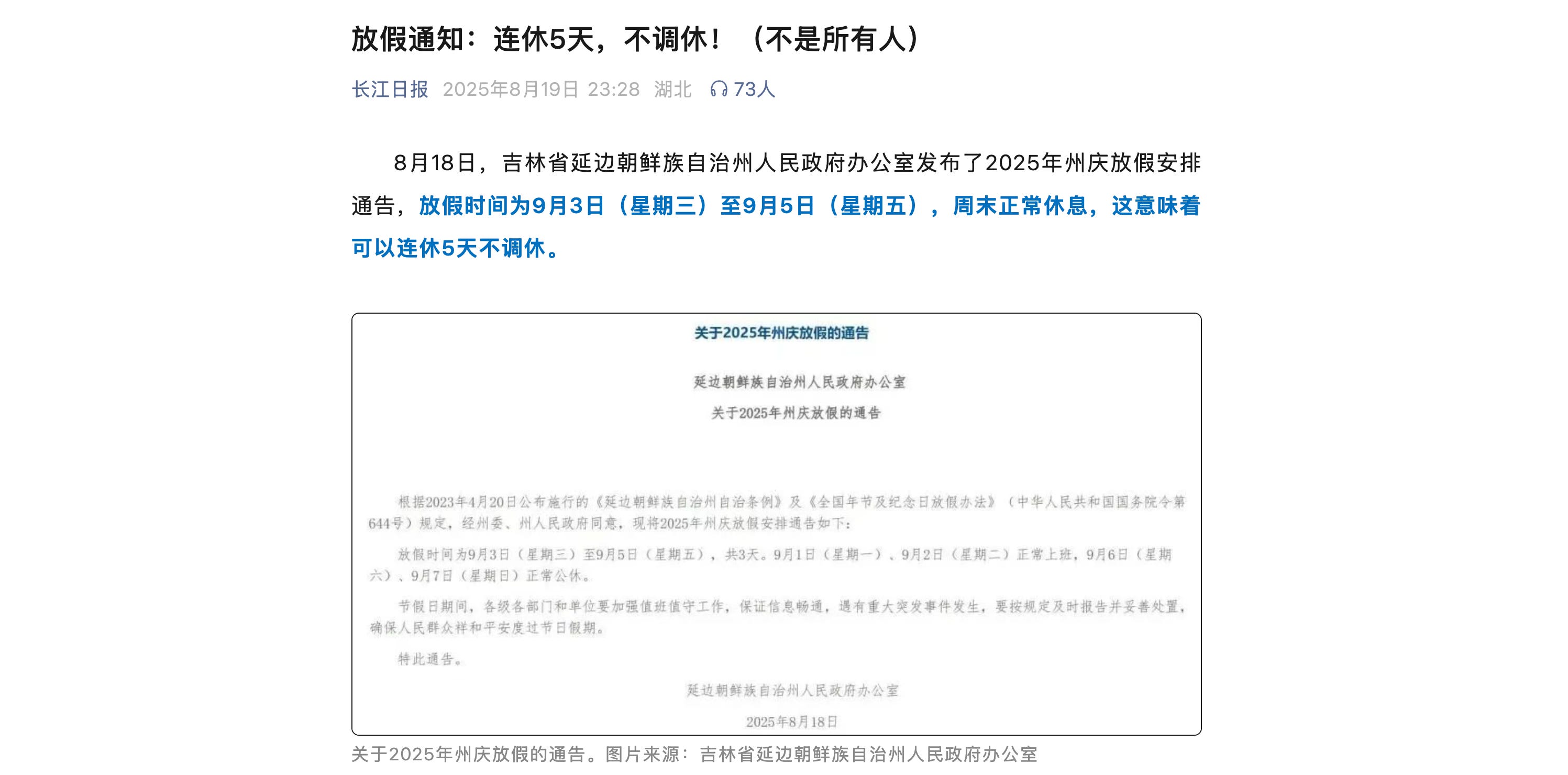
But pushing this kind of bait again and again was like dosing readers with a strong drug: with each repeat, the click-through rate fell. By the second, third, and fourth time, people caught on and stopped reacting. That was when we had to get more… creative.
"Huang Xiaoming, Rewarded 5,000 Yuan!" was one of those "creative" headlines. The story itself was plain: a villager in Ningxia Province named Huang Xiaoming found a copper kettle dating back to the late Qing dynasty. He handed it over to a museum and received a certificate and a 5,000-yuan reward. Nothing extraordinary, except that he happened to share a name with a famous Chinese actor. An editor leaned hard on that coincidence, siphoning clicks that really belonged to the celebrity.
The same trick worked with police bulletins and death notices, too. As long as the name resembled a celebrity's, it did not even have to match exactly. In my experience, a single similar-looking character was enough for plenty of readers to misread it, and quietly donate another click to our numbers.
I still remember trying to imagine what the job would be like before I started. The first time I opened those accounts, I was stunned by the sheer number of exclamation marks. Just imagining myself writing headlines peppered with them made my heart seize up.
Now I add exclamation marks willingly. I toss in "Just In" and "Breaking" with practiced ease. When that kind of post shows up in my feed these days, I don't feel disgust anymore. Instead, I think of the editor behind it who, like me, forced to rack their brains over a title, and I feel a weary kind of solidarity. I'm not sure whether that is something to be happy about. Somehow, I even became the "headline expert" among my friends, the person they consult when they want a better click-through rate.
Sometimes I would wonder: at what point does this kind of concealment become deception? The article itself might be detailed and specific; the headline is just a hook. Does that count as tricking people? Once, we slapped "Breaking!" on a headline, only for the story to turn out to be nothing more than a leader's speech. Readers reported it as clickbait. I had nothing to say in our defense. We really were just trying to lure people into clicking so the page-view counter in the bottom-left corner would tick up a little higher.
Because every post ended with an editor's byline, I was once singled out. Under a high-traffic celebrity story, a reader left a comment in the backend that named both me and the reporter, saying they would remember us and publicize our "evil deeds" on other platforms.
My palms went cold. I wished so badly that I had a more common name, one that would let me disappear among thousands of people with the same name and avoid being identified. What's more, I felt innocent: I was merely carrying out my superiors' will and following the newspaper's rules, a pitiful little editor with no control over her own work.
Once you give up a principle, it can feel as if the floor just keeps dropping, lower and lower, with no end in sight. I felt this sharply the day I saw the story about a female student at Dalian Polytechnic University.
The headline read something like: "'Improper associations with foreign individuals, harming national dignity or damaging the university's reputation' — Li X. faces expulsion." Her FULL name was written right there in the title.
That day, I felt totally disheartened, feeling that all media was doomed and everyone had lost their bottom line. But asking myself honestly, if I were the one handling this news, how would I process it? Would I follow the herd, or would I actively choose to conceal her name and handle it differently than other media?
I cannot say for sure that I would have made the better choice, because I realized I had handled something similar before.
It was a wanted notice featuring a strikingly attractive woman. She was the only woman on the list, and my supervisor told me to use her photo as the cover image. We both understood perfectly well what that meant: a "beautiful female suspect" was, by itself, a guarantee for clicks.
Sure enough, the numbers exploded after the post went out. Within an hour, it had more than 70,000 views. In the backend, the comments split into two camps: one group fawned over her looks, laced with off-color jokes; the other accused the editor of misogyny. Some even called me out by name: "Editor Li Guang, how can you be so misogynistic? You're official media, not some click-chasing account!"
I felt deeply wronged. The person who reviewed the post was a man; the leader who gave the final order was a man. Yet in the end, I was the one singled out and punished in public opinion. But I couldn't claim innocence either. I felt like one of those grey-area, toe-the-line traffic chasers — the kind people curse every day for being vulgar and shameless, but who keeps doing it anyway, because the clicks still count.
I really wanted to know whether my colleagues shared these struggles, but the shift system meant I hardly ever even ran into people from my own team. Most of them were much older than I was; some had joined the unit before I had even started college, and they fully expected to stay until retirement. Their conversations mostly revolved around raising kids and family relations.
In that spacious, half-empty office, I could sometimes hear staff from other departments clustered together, chatting through an entire lunch break about who had gotten married. I was always on my own: eating lunch alone, ordering afternoon tea alone.
In more than a year on the job, I had not attended a single annual party, team dinner, or team-building event, and I still did not know anyone from other departments. Each department felt like a sealed-off island—doors shut, people scattered in their own corners under the same roof, working quietly and separately.
Even with the reporters, I only ever communicated online. I did not know what they looked like, and we never had any real face-to-face interaction.
A few days after the Dalian Polytechnic University incident blew up, I chose to run a story about a rape survivor who had come forward to accuse her attacker. Half joking, I told a friend it was my small act of rebellion, my way of "doing a little good" to offset the faint guilt sitting in the back of my mind. But I knew perfectly well, too, that whatever impact it had would be tiny.
Luck, Fairness, and Peers: Hitting the "Million-View" Jackpot, Running Out of Luck, and Talking Myself into Seeing the Paper as an Information-Distribution Chain Restaurant
Just as my doubts about the new job were growing more frequent, things suddenly took a turn: I got lucky.
During one of my shifts, breaking news came in about a nationally beloved actress. I pushed it out immediately, and WeChat gave it official traffic promotion. Within ten minutes, the post had passed 100,000 views. I sat there staring at the backend all day, watching the page-view and comment counts climb every time I refreshed the screen. It all happened so fast. An hour later, the article had soared into the millions.
I felt as if I had done something right, as thrilled and adrenaline-pumped as if I had won the lottery. Since returning to my hometown, my income was no longer what it had been in the first-tier city, so I had cut back on daily spending. But that day, when I went to dinner with a friend, I felt like a nouveau riche and could not help but want to celebrate by spending money. A 500-yuan-per-person dinner suddenly felt entirely worth it, even though the bonus from that story might not even amount to that much.
For a long time afterwards, it felt as if Lady Luck had chosen me. Whatever I posted casually could easily get 70,000 or 80,000 views. I went to work every day full of anticipation, wondering what big story might happen to fall into my lap today. Even after clocking out and going home, I could not resist opening the backend to check if the views were still climbing.
That lasted about a month. Then luck moved on to someone else. The moment my shift ended and a colleague took over, major news would break. My own numbers dropped to a historic low, with each post getting fewer than 50,000 views. I felt an indescribable sense of loss, even blaming everyone and everything, feeling like destiny had played a cruel joke on me.
This slump lasted for a while until my reason finally returned and reminded me that I was actually being manipulated by traffic. Data was the only real thrill this job offered: crude, direct, and immediate positive feedback. But in reality, I had not done anything right or wrong. It was all chance.
After more than a year on the job, I came to see that luck was, in its own way, fair. Everyone got a turn being favored by the gods of traffic. Over time, our numbers mostly evened out.
At first, I thought the newspaper's reporters were not very competent. Their drafts often felt half-baked and full of gaps. They would submit press releases from partner institutions, including police stations and hospitals, without changing a single word.
When I tried to mark one of these pieces as "Original" before publishing it, WeChat would tell me the article did not qualify, because the exact same press release had already been published word for word by the institution that issued it. Even in giveaway posts for free movie tickets, reporters often failed to include basic information, such as when the event started, who was eligible, or how the tickets could be claimed. I had to call them myself to check. Sometimes, when I saw another outlet run a local public-interest story, such as rising gas prices, or back-to-school interviews, which performed well, and I would call our reporters and suggest they do a local version of the same story.
Later, I learned that reporters' KPIs were not based on the quantity or quality of what they wrote. They were under pressure to bring in business. Much of their daily work involved rushing between the publicity offices of local institutions, signing contracts, and publishing press releases. In other words, their primary task was not to find stories or write articles, but to "serve clients."
At one point, I thought that instead of spending my days copy-pasting as a small-time editor, I would rather transfer to reporting. But once I understood what reporters actually did, I realized their job was no easier than mine. After talking with friends at other local newspapers, I found that this was common everywhere.
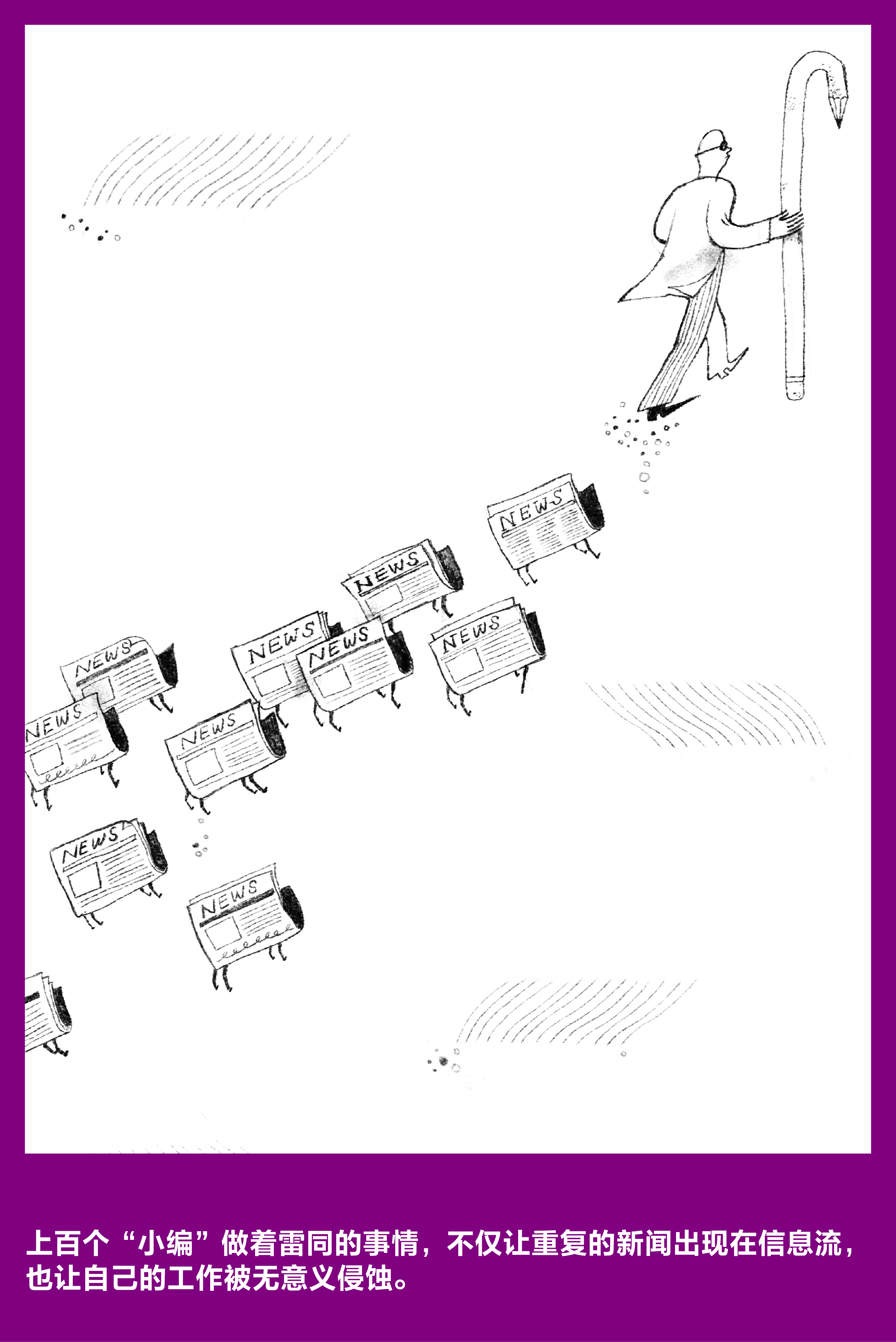
Because of this job, I followed hundreds of official media WeChat accounts, and my feed became completely flooded. Every few seconds, another news item would pop up, headlines packed with "Breaking" and endless exclamation marks. I read a hundred times more news than before, yet I felt I was no longer truly paying attention to any news anymore. When I reviewed what those hundreds of accounts posted over a day, I found that 90% of the content was practically identical. The only real differences were update frequency and the number of posts.
I remember the uproar over the actress criticized for her outrageously expensive earrings. During that episode, the news updates arriving every few seconds became almost perfectly uniform: different outlets reporting the same story with slightly different, but essentially interchangeable, cover images and headlines. That meant there were hundreds of editors behind the scenes doing exactly what I was doing: filtering out the stories most likely to attract traffic, then copying and pasting them. The thought that so many people were trapped in the same repetitive, tedious work brought me no comfort at all. It only made me feel even sadder.
Sometimes I tried to console myself by thinking of it as something like a chain restaurant, like McDonald's or KFC. They need physical branches in different locations; in new media, we were just opening "branches" online for different regions. We were serving different groups of users. Just because one outlet had already published a story didn't mean everyone would see it. Thousands of accounts targeting different audiences were still needed to keep redistributing the same information until it spread widely enough.
After taking this job, I never opened WeChat articles in my free time again. Reading long-form pieces had once been an indispensable part of my life. I used to spend half an hour, sometimes even an hour, reading them slowly, sinking into that state of total absorption, and then talking with colleagues about what I had taken from them. Now, even when I come across some brilliantly written viral article being shared all over Moments, I don't feel the slightest desire to click on it.
A Donkey Spinning in Circles: Publishing 70 Articles a Day, A Glittering Facade with a Stale, Dim Interior, and Missing the "Blessing" of China's 996 Grind
Just three months in, the job I had once thought was practically perfect, nothing but advantages, was left with only one redeeming feature: leisure. Before long, even that last advantage disappeared.
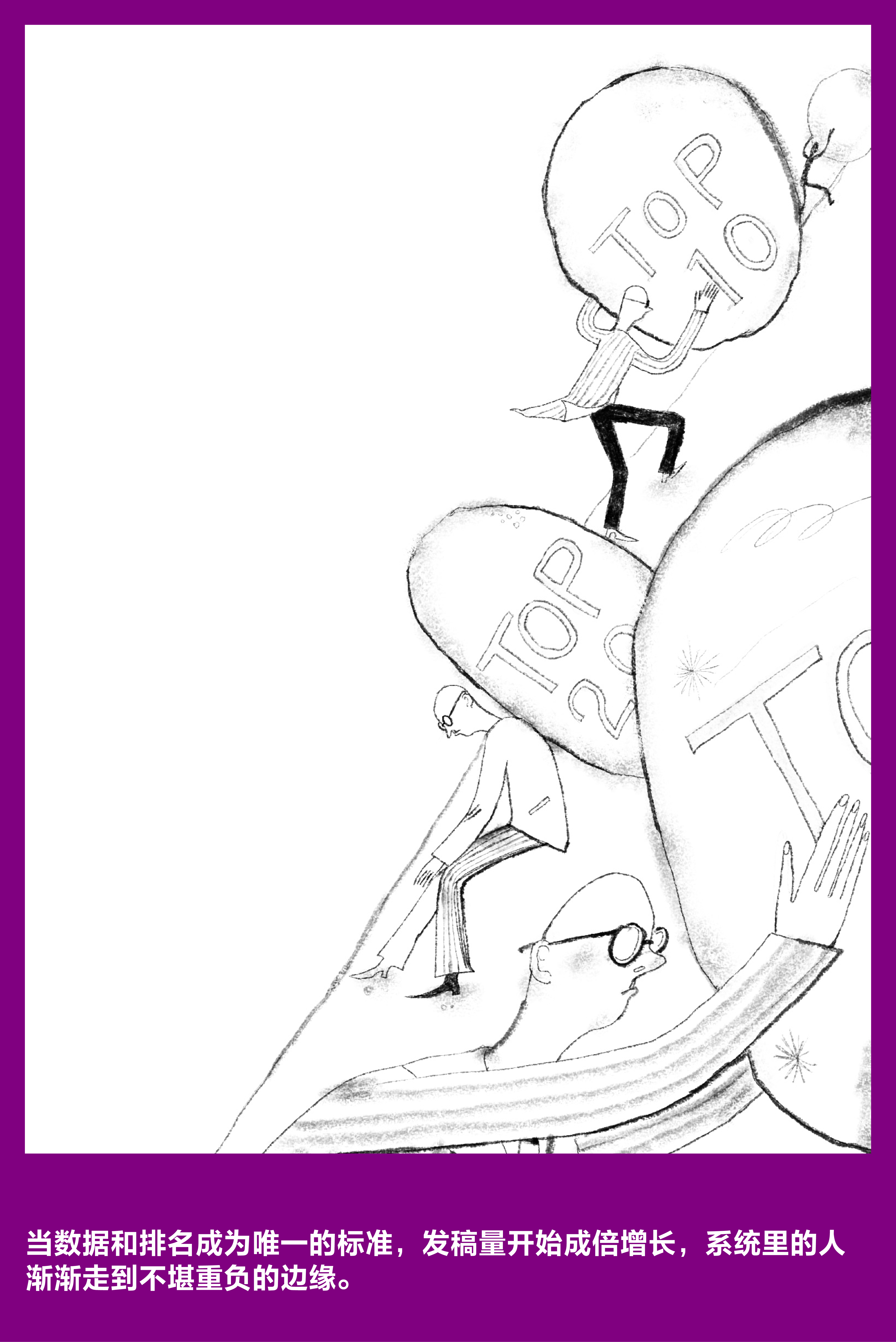
In the second half of 2024, the Publicity Department of the Communist Party of China Central Committee launched a comprehensive evaluation of the communication performance of mainstream media outlets and ranked them accordingly. The participants included key accounts of hundreds of provincial and sub-provincial media. The criteria were largely data-driven: page views, likes, shares, and other similar metrics.
One day, "making the top XX on the list" was handed down by leadership as a formal directive for our newspaper.
For national-level outlets and provincial or municipal media serving huge populations, getting 100,000 views on a headline was easy. They were like naturally gifted students who can rank near the top simply by showing up to class and doing the usual homework. Even when they covered the same story and use exactly the same headline we do, they will still attract more traffic by default.
Our account was like a mid-tier student in the class, neither top-tier nor at the bottom, and therefore not someone the teacher paid much attention to. Mediocre students like us had to rely on dumb, brute-force methods: post more articles so the cumulative views would rise. That was when our workload started to multiply.
Before that, we published around a dozen pieces a day. Later, the volume first doubled, then doubled again, eventually reaching 70 articles a day. The posting frequency kept increasing, and the number of pieces we had to sort through and format each hour became four times what it had originally been.
At that point, layout and aesthetics were no longer enforced so strictly. Line spacing, letter spacing, indentation, even the font size of image captions—as long as the page looked more or less consistent, we no longer adjusted every detail with care. By then, I had become so practiced that I could format a piece in a single minute.
Working hours expanded along with the publishing volume. As the number of articles kept rising, the late shift stretched later and later, until leaving work at 1:00 a.m. became routine.
With every extra minute my shift ran over, my anger rose another notch. I kept wanting to ask: what piece of news could possibly be so important that it was worth sacrificing my sleep just so I can copy, paste, and push it out to readers at the earliest possible moment, especially when those readers are already asleep themselves?
On shift days, I usually kept my meals to under 15 minutes, shoveling food from my tray while scrolling through the endlessly refreshing news feed on my phone, preparing the next items I would need to publish.
A few times, major breaking news came in while I was eating in the cafeteria. The leader demanded that it be pushed out immediately, so I had to put down my chopsticks and rush back to my desk.
Through sheer effort, we finally met our goal in the first few months of the year. But once the ranking had gone up, it could not be allowed to drop, could it? I felt like I was being hoisted onto a pedestal and could no longer get down. There were even a few occasions when our ranking got too high, and the leader reminded us to rein it in a bit so we would not stand out too much. My hand, gripping the mouse every day, felt like it was developing tenosynovitis. I had no other solution but to constantly search for better ergonomic mice.
If we did not have this information, would our lives be worse off? I thought about it, and the answer was no—not much would change. Whenever I vented to friends and they asked, "Is it really necessary to post so much news?" or "Is there even that much news to post?", I found myself speechless.
Over time, I came to believe that janitors, taxi drivers, and delivery workers did work far more meaningful than mine. Janitors use their labor to turn chaotic, messy spaces into tidy ones. Taxi drivers take people from one place to where they need to be. Delivery workers dart through the city to make sure hungry office workers can still get a hot meal. My work, by contrast, seemed only to make the information landscape noisier and more chaotic.
Waking up early became my nightmare. If I had an early shift the next day, I would set several alarms and check them obsessively before bed. Even so, I would still jolt awake in the middle of the night, terrified by nightmares of oversleeping. A few times, I woke before the alarm, my first thought being absolute panic that I had slept too deeply and missed it. I would grab the phone on the nightstand, and only when the time showed 5 AM did I breathe a sigh of relief.
Sleeping became another nightmare. Even if I lay down immediately after a late shift, the lack of buffer time before bed turned falling asleep into a burdensome task; the more I wanted to sleep, the harder it was to fall asleep. Having never been troubled by sleep issues before, I went to the hospital for the first time to get a prescription for Stilnox, just so I could knock myself out with medication during the latter half of the night after an agonizing late shift.
For a while, I couldn't muster an interest in anything. I was no longer curious about the changes around me. When friends discussed topics we used to share an interest in, I only envied their vitality. I suspected I had fallen into a mild depression and booked a therapist, but found myself in a tough spot when the therapist suggested setting a fixed time for weekly sessions. The rotating shift system meant I couldn't set aside a regular time for therapy, not even for one hour. Our shift schedule wasn't fixed; it rotated every week. After repeatedly confirming that I couldn't carve out a set hour, the therapist said something I'll never forget: "If you can't even lock down one hour a week for treatment, it's hard to imagine the rest of your daily life unfolding with any rhythm."
I even developed the absurd thought that "996" (working 9 AM to 9 PM, 6 days a week) was indeed a "blessing"—at least it provided a fixed rhythm of work. I originally came to the local newspaper for an easier life, yet now I couldn't even secure one hour for therapy. This plunged me into an intense existential crisis. Every day I spun around in circles like a busy donkey, having no idea what all this was for.
After working there for a while, I sometimes felt puzzled: this office building had only been completed a few years ago, and its exterior looked brand new, grand, and imposing, yet why did the interior always feel so incredibly stale and dim? My office area was on the shaded side of the building, devoid of sunlight year-round. There seemed to be no difference between day and night; the incandescent fluorescent lights overhead permanently cast a pale, stark glow.
During the late shifts, I often didn't notice the sky changing colors outside; only the gradual emptying of the office area made me realize it was getting late. On the entire floor, besides me, only one or two people from other departments were sporadically on duty. Only the security guard uncle was guaranteed to keep me company. He would patrol on a hoverboard, gliding silently like a ghost through the office, and he always startled me.
After publishing the final post, I shut down my computer and walked home. The entire city was asleep. The windows of the buildings in my line of sight were pitch black, with only the streetlights still on. There were no pedestrians or traffic on the road. Occasionally, a delivery rider would speed by on a scooter, still hustling for someone needing a late-night meal, while I—this manufacturer of information noise—finally came to a halt.

Whew! What suspense! Don't leave us hanging. She couldn't keep running on this hamster wheel.
"Before that, we published around a dozen pieces a day. Later, the volume first doubled, then doubled again, eventually reaching 70 articles a day. The posting frequency kept increasing, and the number of pieces we had to sort through and format each hour became four times what it had originally been/"